Which aircraft are you really booking? Check before you spend the points
ClassFlyer · published 2026-08-24 · 3 min read
Points prices get all the attention. The airframe gets almost none, and it decides more of your experience than a 10,000-point difference ever will. An award in "business class" is not one product: it is whatever seat the operating airline bolted into that specific aircraft type, and the type is published in the schedule long before you book.
This is the least-used piece of public information in award travel. Here is how to use it.
The same price buys very different flights
Take a long-haul business award from Scandinavia. Depending on routing, the metal might be an Airbus A350-900, a Boeing 787-9, an older A330, or, increasingly on thinner routes, a long-range narrowbody like the A321LR. The cabin word on the booking page is identical. The reality on board spans from a suite-like flat bed with direct aisle access to a seat you would recognise from a domestic flight with more recline.
None of this is hidden. Timetables carry the planned aircraft for every departure. The catch is that airlines, booking sites and award tools all spell aircraft differently ("Airbus A320-100/200", "Boeing 737-800 (winglets)", "Canadair Regional Jet 900"), which is why we resolve every spelling to its ICAO type designator and give each type its own page.
Three checks before you commit points
1. Check the type on your exact flight. The route pages here show each scheduled flight with its aircraft, from the timetables we hold. If the flight number you are about to book shows a different type on different days of the week, that is worth knowing: the Tuesday and the Thursday departure are not always the same product.
2. Look at the type itself. Each aircraft page shows the airframe in 3D, its dimensions, engine layout, who operates it and on which routes we have seen it scheduled. Ninety seconds there tells you what the seat map sites take a spreadsheet to say: whether this is the airline's flagship metal or the aircraft they send where demand is thin.
3. Compare the operators. The same type is not the same product across airlines: a 787-9 is configured by its operator, not by Boeing. But the type is still the strongest single signal, and cross-referencing "who else flies this type on this route" sometimes surfaces a better-configured alternative for the same points.
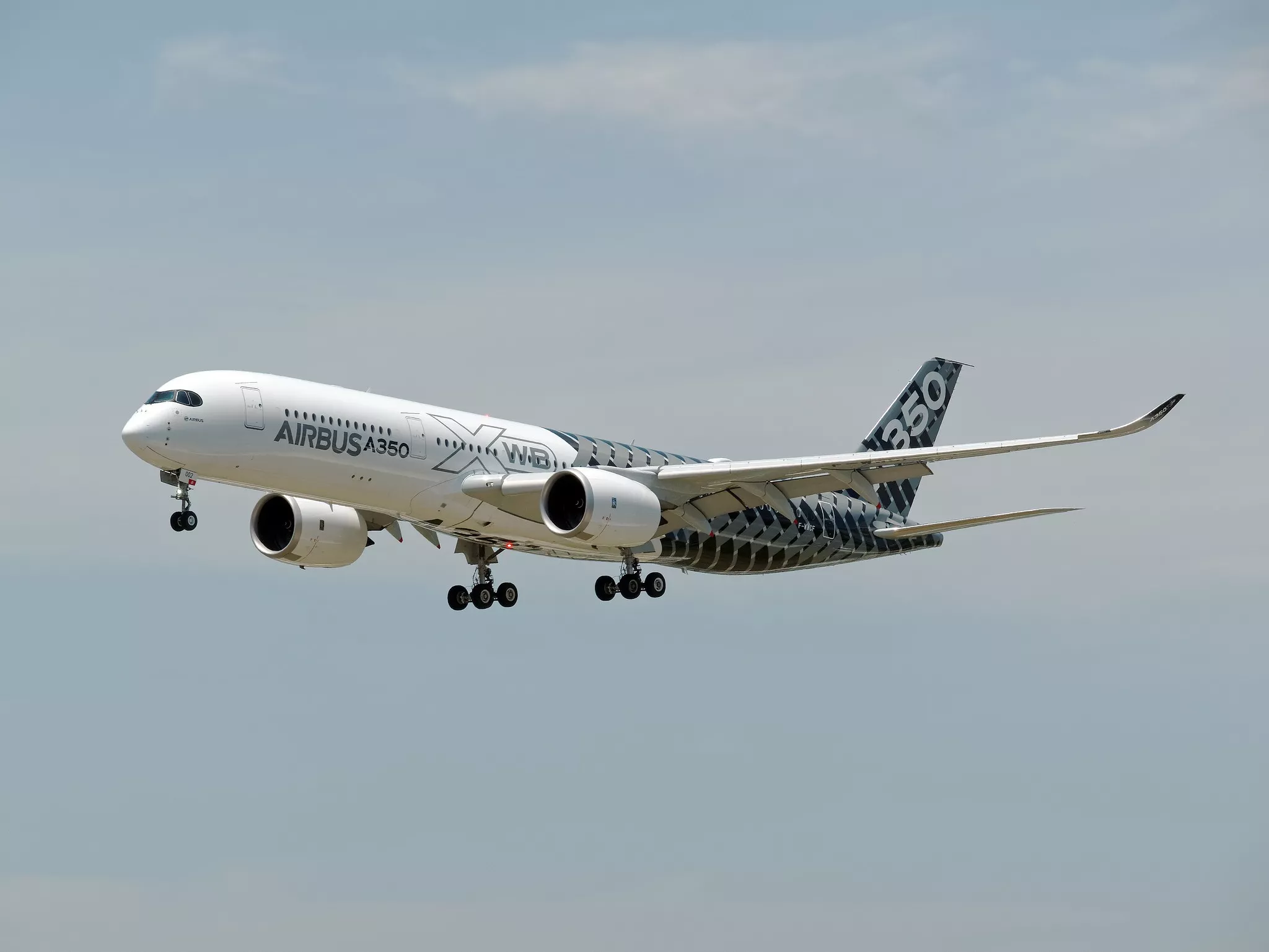 Photo by Melv_L - MACASR, CC BY SA 2.0
Swaps happen; play the odds
A scheduled type is a plan, not a promise. Airlines substitute aircraft for maintenance and demand reasons, and no tool can see tomorrow's swap. What you can do is play the base rates: a route flown by one type all week is a safer bet than a route where three types rotate, and a flagship route (the ones airlines advertise) keeps its flagship metal far more reliably than a seasonal leisure run.
If the aircraft is the point of the trip for you (first time on an A350, chasing a specific product), book the route where that type is the only thing scheduled, and give yourself a buffer day. The aircraft pages show exactly how concentrated each type's flying is.
Why we built this into the site
Award tools traditionally answer one question: is there a seat. We think the real question is: is there a seat worth the points. The aircraft is half of that answer, it is public, and it was sitting unused in the same timetables everyone already parses for availability. Now it is a page per type, linked from every route, with the 3D model to make the differences legible at a glance.
Points are hard-earned. Spend them on metal you chose, not metal you discovered at the gate.